Saturday, September 3, 2016

8 Possible problems of poultry farming system

Even with superb qualitative and quantities achievements in different areas of poultry farming sectors, the farming setting are facing with problems ranging from one area to the other, what seem as a problem to Mr. A might not be to Mr. B, the problems varies from location to location.
problem
jaspafarm

The modern poultry industry aims at high production and better quality at a low cost. This, in addition to an increase in the demand for poultry meat, necessitates constant, efficient and goal oriented healthcare to prevent the development of diseases.

If you want to join this lucrative business or you into it before, you don’t need to be panic since every problem has its solution. No problem you might come across in poultry farming that is new, in one way or the order such problem was over come.

By the time you are true with this article, that problem you are facing will be tackled and if not you are free to let us know. The common problem facing poultry farming include any of the following:

1. Financial problem poultry farming system
This is the most important problem which I believe affect more than 80% of farmers globally. In one area or the other, capital contributes to the success of your farm.

Mind you, amount of capital determine the level of your farm and determine how your farm will be equipped. Access to capital will make your farm to grow faster than those that do not have access to any financial assistance.

Though, starting a poultry farm business requires little money, but that is when you can access this at right time. Some farmer want to get loan from micro finance bank, the interest charge on the little they can afford is much, so they had to withdraw from such program.

Possible solution: the only possible solution to this problem ie poultry farming, is getting assistance from government, government should set up a committee on how to help those that have interest on farming activities.

By so doing they empower them, they will be the boss of their company and they will not be looking for white collar job because they are engaged already.

2. Lack of information is a poultry farming system
This problem is as bad as the first point. If you want to succeed in life in any business or in anything at all, you need the right information about that thing.

Some people just rush into poultry farming system without the proper information, while some got information from the wrong source.

Getting the right information will help you in all area of your farm and you will get the reward on time.  Just look into this story of two friends, say A and B. Mr. B is poultry farmer while Mr. A is business man, but Mr. A is wealthier than Mr. B, but for this reason Mr. A just invest on poultry farming without proper information from Mr. B.

Don’t be surprise that Mr. B regret of his action of not getting information from reliable source.

Solution: The only solution to this type of problem is getting information from the reliable source. Dear reader not just information, but right information from the right sources.

In the case of poultry farming system, I will strongly advice you get your information from ministry of agriculture or from qualified veterinary doctor, hope you are following, that is good.

3. Diseases and parasites is a great poultry farming system problem
Diseases and parasites can cause losses in egg production. Some breeds of birds are resistance to certain diseases which make them superior to those that are easily infected by many diseases.

More over if you want your laying birds for maximum production, do all you could to prevent them against any kind of diseases. In case of any outbreak of diseases treat them immediately so that their production will not be tampered with.

In addition, you would never want to breed an ill chicken they could pass the illnesses down to future generations and you would have a constant battle in your hands.

Always raised the healthiest chickens together the more generations and that have healthy chickens the more resistance they build up to diseases.

Solution: Here you need to be observant, you might not be able to identify any symptoms in your poultry farming.

Not every disease gives any symptom, but in case you see strange sign in your farm inform your veterinary doctor at once. By so doing, the right drugs will be prescribed.

4. Access to right birds reduces poultry farming problem
Many poultry farmers are victim of this problem, not every company that sell day old birds are the right place to get our birds.

Once you are victim, no way out, you are going to spend a lot on drugs and many a time you lose many of your birds. So many companies are facing one problem or the other, meanwhile proper investigation allows you to get best company that sell quality birds.

Therefore one need to be careful of where they get their birds from as this determines what might be result at the end.

Possible solution: From my research and understanding, I will recommend you consult your veterinary doctor before you get your birds, either a day old or at any point at all, so this prevent your poultry farming from problem of such.

5. Feed related problem poultry farming system
Feeding related problem is another problem we need to consider as this determines the growth of rate of our birds.

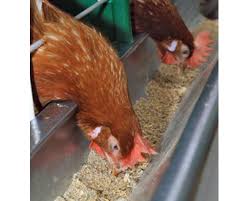
Feeding is more than just given the birds feeds, they need balanced diets if you want them to do well. Some producers mix complete feeds with cheaper scratch grains, but doing so dilutes the levels of nutrients the chickens are receiving, and nutrient deficiencies can occur.

Nutrient deficiencies can adversely affect the growth of pullets and the level of production of hens. The level of feed a bird will eats depend on it sizes, ages and rate of egg production, energy level of the feed and temperature of the house i.e laying house.

Amount of feed consumed also depend on the breed of birds. Take for example, A Leghorn chicken eats about 1/4 pound of feed per day. Brown-egg layers are slightly larger and require more food, therefore need more feeds.

Quality of eggs is affected by the feed they eat, the quality of egg shell is determined by the level (amount) and the presence of vitamin D, Calcium and other minerals in the feed. Pigment in the feed determine the yolk color of the eggs, to achieve the maximum egg size in production, the level of protein in the feed come in place and fatty acid.

Since more is known about the nutritional requirements of the chicken than of any other domestic animals, it is not surprising that rations are scientifically balanced to assure layer health along with optimum quality eggs at least cost. In short words, feed quality is required in profitable laying birds.

6. Water related Problem in poultry farming system
This problem should not be underrated, the quality of water available is very important, the acidity of the water must be checked and balanced before we give to the birds. Acidic water will imply negative effect to the life of the birds as this will affect them in many ways.

Solution: water condition must be checked before included in feeding fowls.

7. Drugs related problem poultry farming system
This is a big threat to poultry farmers, not all drugs requires are available in the market, some time those available are not effective, meaning  they are fake.

When some are prolong in used, they build resistance to its effect ie they will not be effective when they are administered.

The available drugs are not effective like the former one, so this cause a lot of problem for us farmers. Aside this, we should consult veterinary doctors for proper prescription of drugs we must administered

Possible solution:  We should consult veterinary for the right drugs for the right problem.

8. Management related problem in poultry farming system
This refers to the general hygiene of the entire farming system, if you apply the above listed solution and you are not properly taken care of the birds.

You will end up spending big money that will not materialize. Maintain 100% hygiene for best performer of your birds, clean their house, wash their drinkers and feeders. Remove grasses from sounding to prevent predators that might want to affect them.

Thanks for taken your time to read this article, kindly drop your opinion about this.


Thursday, September 1, 2016

14 Reasons your layers are no more laying eggs

The amazing thing in layers is the ability to lay eggs as planned, this make farmers feel happy and comfortable. Why? Their birds are doing excellently well and then they will be in disturbed mind when they are no more doing well. 

They will be moving from one vet to another for solution to tackle this problem, though consulting your vet doctor is not bad, in fact it is very good idea.  There are a lot of reasons why this might happen and all cannot be outlined here. 
layers
jaspafarm
However, some causes are more common than others and the flock owner should consider these in seeking the solution to the problem. Today we are going to look at the most common reasons your chickens have stopped laying.

1. New additions to the flock is one of the reason your  layers are no more laying eggs
So you have definitely not got a broody hen, but still do not see any eggs. Have you recently moved your chickens or introduced new chickens into the flock? 

Chickens love routine and the slightest disruption to their routine usually results in them going off lay. The most common routine disruption they experience is when they are moved. 

This can either be when they are transported to your home after you have bought them, or if you have decided to move their coop. Chances are you bought your chickens as pullets so they were not laying when they arrived at the new location. 

But if you have moved their coop they will not be happy with you! Give them a few days to come around and they should start laying again. In addition, if you have just introduced new chickens into the flock this can also disrupt their routine and egg laying. 

When new chickens are introduced there tends to be some shoving and jostling for the first few days as they establish the new pecking orders, this may cause your layers laying eggs for few days. 

During this time they will not lay eggs but again, after a few days they should start laying again, this is clear enough.

2. Breeds of hens may result to layers for no more laying eggs
This point is very important and in many a times are ignore by the farmers. The laying ability depend largely on the breeds, some breeds lay more eggs, they may lay more than 200 eggs a year while some lay less than 100 eggs a year. 

You can see the different, so before getting your pullet make sure they are the more producing type. Take for instance, breeds such as Rhode Island Reds or Buff Orpingtons can lay more than 200 eggs per year. 

Whereas other breeds such as Ameraucanas or Silkies are known to lay less than 100 eggs a year.

3. Feeding may be the reason your  layers are no more laying eggs
The average laying hen's skeleton contains 20g calcium and one egg represents 10% of that. Hens do have calcium reserves stored up in their bodies, but if they do not get enough calcium from their food for their egg shells the stores will get depleted very quickly and they will stop laying. 

It is important that laying hens get feed either a proper, balanced layer feed mash or pellets or a good quality all flock feed with a calcium supplement like oyster shell offered free choice. It is best to offer layer food free choice i.e. have the feeders full at all times, to ensure hens get enough food. 

Keep in mind that the average hen needs 5 ounces of food and 10 ounces of water to produce 1 egg. Feeding too much treats, table scraps and scratch means the hens will eat less of the food they need, so only feed limited amounts of those. 

Overfeeding scraps and scratch can also cause the hens to get too fat. Overweight hens don't lay eggs, therefore avoid this in other not to prevent your layers from no more laying eggs . Hope you are following?

4.  Layers are no more laying eggs as a result of old age
Age is another factor we need to consider why talking about hen laying eggs, are they too young or too old. Young birds do not have ability to lay more eggs like wise old age hen do not have power to lay more eggs also. 

The production rate increase with increases in age at a certain age and begin to decrease with increase in age. Just study this simple illustration, as your hens get older, they will lay less frequently. 

Usually, they lay best during their first and second year, then as they approach three years old, their laying will decrease. 

By the time they are about five years old, they will only be laying about half as frequently as they did at their peak. 

Raising a new flock every few years is the best way to have an ongoing supply of home grown eggs.

5.  Layers are no more laying eggs as a result of Illness/ diseases
If not all poultry diseases, many of them have negative effect on the laying ability of birds in the farm. Often the birds will show symptoms of illness, but sometimes they will not. 

If a disease is suspected, it is important to consult a poultry veterinarian without delay. A timely diagnosis may allow effective treatment for some diseases. 

In the case of certain virulent diseases such as highly pathogenic Avian Influenza, a speedy diagnosis may prevent losses of whole flocks in entire regions, and minimize the risk of zootomic transmission of deadly disease from chickens to humans, e.g., bird flu. Internal parasites to look out for are round worms and tape worms. 

Deworm the flock every 1 month as a precaution. The withdrawal period for most dewormers are 14 days and the eggs laid during that period should be discarded and should not be incubated. 

The residue in the eggs causes severely handicapped chicks and most die shortly after hatching. Diseases that influence egg production are fowl pox, coccidiosis, infectious bronchitis, Newcastle disease, Avian influenza, chronic respiratory infection, fowl cholera and infectious coryza. 

Most of these diseases can be controlled by vaccinating the flock and maintaining good hygiene practices.

6.   Layers are no more laying eggs due to Broodiness
this bird try to hatch her eggs
jaspafarm

Brooding is the ability of birds to sit on the eggs for the purpose of hatching the them, which are not allowed in the farm setting. Some breeds of hens are prone to become broody. 

When this happens, they stop laying eggs. They are more likely to become broody if they are allowed to accumulate more eggs in a nest. 

The problem is most prevalent during spring under natural daylight as the hens come into production due to the stimulating effects of increasing day length. To avoid this problem, it is best to pick up eggs at least two time a day to prevent the hen from building a clutch. 

Daily egg gathering is also an important practice to preserve the safety and quality of eggs for human consumption. If the housing facilities permit, hens can be moved to different living quarters periodically to disrupt their attachment to specific nesting sites.

7.  Layers are no more laying eggs due to the length of day light
laying birds need more of day light
jaspafarm
Nature cannot be change but in some case can be modify to suite our purpose. Animals are not left out of this situation, specifically here, layers are animals that react to the changes in the length of day in which eggs production are require. 

For proper production of eggs, they need up to 16 hours a day to be able to produce eggs on regular basis. This is the reason behind high production of eggs in longer day than shorter days. 

Now that Spring is approaching, and the days are getting longer, the hens in my home flock have started laying again.  During the early part of the winter, they were laying fewer eggs because there were fewer daylight hours. 

Commercial egg producers avoid this problem and maintain egg production year round by using artificial lighting to give hens a long day length no matter what the season.

8. Feed component may be the reason your layers are no more laying eggs
Layer mash is more than just feed, I mean they are to be feed with balanced diet if you need to get the best from them. 

This is why we need to know the component of feed we give to our birds, you don’t understand, not the quantity that matter now but the quality of what you over them. Layers need a balanced and adequate diet to maintain egg production. 

Each egg contains significant amounts of protein and energy, which must first be consumed by the bird as part of its daily food intake. Too little dietary energy or an imbalance of amino acids can cause depressed egg production. 

Many backyard flock owners do not realize how much calcium a bird needs. The shell of each egg contains roughly 2 grams of calcium. 

Good quality layer feeds have the correct balance of protein, carbohydrates, vitamins, calcium and other minerals. If you feed table scraps or scratch grains to your hens, you should use moderation so as not to upset the balance.

9.  Layers are no more laying eggs as a result of molting
Molting is a natural phenomenon in laying birds, is a process that allow birds to replace old, worn feather by shedding them and growing new ones. 

It is usually triggered by day length, but it can happen any time of the year. A stressful event can trigger it too. Regrowing feathers takes us much of the body's resources as egg laying does, so during a molt most hens will not lay. 

A molt usually takes between 2 and 6 months to complete and unfortunately this process cannot be rushed. Some extra protein in their feed will help the hens a lot during this time.

10.  Layers are no more laying eggs due to stress
Stressed birds either lay very strange eggs or no eggs at all. A fright, running out of food and water, disruptions of the pecking order, for instance adding a rooster to the flock and getting moved to a new coop will all causes stress. 

When you buy birds and bring them home to a new coop it could take up to 6 weeks before they start laying again.

11. Temperature may be the reason your layers are no more laying eggs
Layers lay best when it is not too cold or too hot.  If possible, keep the temperature in their house above 55° F in the winter. During the summer, provide plenty of shade and cool water. If you want to get maximum eggs production, make sure the temperature are within the range require for production of eggs.

12. Some  layers are no more laying eggs as a result of egg eating
If you are not getting any eggs, and you are sure your birds are laying, you might have an egg eater or two in your flock. Look for signs like yolk smeared on the nest box materials.

13.  Layers are no more laying eggs as a result of free ranging
Free ranging birds sometimes lay their eggs in secrets nests / location. So your birds may be laying after all, but not where you prepared for them to lay. 

If this is the case keep them cooped up for a few days so they will learn to use the nest boxes. Use fake eggs or golf balls in the nest boxes will make them more attractive for hens too.

14. Layers are no more laying eggs as a result of predator
Predators such as skunks and snakes will eat eggs.  Prevent this by gathering the eggs more frequently, and improve pens and housing as needed to keep the predators out.

Pleas drop your comment, thank for reading trough.


Monday, August 29, 2016

10 Possible signs of healthy chickens in a poultry farm

Poultry birds identification is one of the most important factors we poultry farmers must put in mind and know how it identify a healthy chickens. This is important so that we know what to do and how to tackle any noticed conditions of our birds in the farm.

These signs do not require special task or skill, what you need to do and know is to, is well observant about the reaction and conditions of flock, birds as individual. It is very important to learn how to identify a healthy chicken.
chickens
jaspafarm

This is especially true if you keep chicken or you want to buy some. Leaning what to look out for could help you know if any of your birds is sick and help you provide treatment before it's too late.

 Alternatively, you can avoid wasting money buying a sick bird only for it to die soon afterwards. While some people are experts at identifying signs of sickness in chicken, most have to learn the technique.

In any case, it is better to regularly examine each individual bird for signs of health condition.  A physical examination is the best way to find out how healthy your birds or flocks are.

There are some physical signs you should be on the lookout for. To cut the story short, the following are the list of possible signs of healthy flocks of chicken.

1. Comb and wattle
2. Alertness
3. Position of head when not disturbed
4. The color of the dropping
5. Shiny feathers
6. Condition of the feet and toes
7. Wings
8. Nostrils
9. Mouth
10. Eyes

1. Comb and wattle as sign of healthy chickens
bird showing good condition of wattle and comb
jaspafarm
The comb is one of those thing we as farmers need to check out for, the condition of hen comb and the wattle are very noticeable sign for healthy birds. They must have a bright color, not dark or dull color, only bright one are the sign of healthy birds.

A pink comb is normal in hens and simply indicates that the bird is not in lay while a red one indicates she is. If the comb has a bluish color you should take it as a warning that the bird has poor blood circulation and is not in good health.

A comb full of scabs shows that the bird has been in fights. You should take care to assess the temperament of a cock before buying it.

Purchasing a bird which likes to fight will only antagonize and disturb the rest of the flock which is not good for the flock.

2. Alertness as a sign of healthy chickens
Another point is the alertness of the flock, every bird in the flock must be alert at any time. If at the time you visit your flock you noticed that one or two are not alert is a sign that they are not healthy, they should be examine.

Do not joke with this simple sign, do something quickly to identify why they are not in good condition. Aside this, you birds must be active always i.e they must be busy doing one thing or the other, so watch out for their alertness.

3. Position of head when not disturbed is also a sign of healthy chickens
hen showing sign of ill position of the head
google
Some farmers don’t take note of this, when a bird sit back and you noticed that its head is tucked in close to the body, you should know that some went wrong to the bird.

This may not easily be notice when you have many birds in the flock, why? When you enter their house they tent to react but after about ten minute they begin to settle down, this is when you will clearly noticed that their head are tucked in close to the body.

Dare reader this is not s good sign at all, the best position of the head healthy chickens is so simple, it should be free from the body. It should not tucked in close to the body at all irrespective of what happen to the bird, please do take note of this in your farm.

4. The color of the dropping as a sign of healthy chickens
dropping showing sign of good health
poultrykeeper.com
Dropping color must be well monitored on daily basis, though not all sickness can be trace to the color of their droppings. Meanwhile some of the common issues in the farm are easily identify by merely looking at their droppings.

Now you may ask, what is the color or will their dropping form? This is so simple, just follow this simple illustration you will understand what I am saying.

The color must not be red, deep green. I know you know Lizard, then you have seen their dropping before, yes. Good, what do you notice about their dropping? 

You always see whitish that are always attached to it that is hoe the dropping of your birds must look like. Anything aside this, your birds are not in good condition.

5. Shiny feathers in healthy chickens
Another sign of a healthy chicken is shiny feathers which have a nice sheen to them. You should examine each bird for signs of parasites.

The most common ones are lice and these have a habit of hiding between a chicken's feathers. Also take a look at the shanks of the feet. The scales should be smooth. Protruding scales could be a sign that the bird has scaly leg mites.

The feathers under and around the vent should be clean and not messy. Birds which have dirty and scruffy feathers should be examined for any signs of illness.

Hens kept with a rooster often have bare patches on the back and the base of the neck near the back. These patches are caused by mating and are normal.

You should never see open sores or swelling where the skin is bare.  Sometimes feathers are pulled out, particularly tail feathers, when capturing a bird. If the bird appears healthy otherwise and the skin appears smooth and intact, it’s probably fine.

6. Condition of the feet and toes to identify healthy chickens
The three front toes of poultry birds should point straight ahead, and the feet should not turn outward. The hock joints should not touch, and the toes should not point in toward each other.

Healthy chickens feet should not be webbed, webbing mean the skin connecting the toes, although occasionally webbed feet show up as a genetic defect.

You should not see any swellings on the legs or toes. Check the bottom of the foot for swelling and raw, open areas, when these are well formed your birds are in good condition.

7. Wings as a sign of healthy chickens
The wings of poultry birds should be carried close to the body in most breeds and in most case. A few breeds have wings that point downward.

The wings should not droop or look twisted. Sometimes droopy wings are a sign of illness in the birds. A damaged wing that healed wrong will not affect the laying or breeding ability of the birds.

However, some birds are hatched with bad wings, which is usually the result of a genetic problem.

8. Nostrils condition as a sign of healthy chickens
Both nostrils should be clear and open, with no discharge from the nostrils. In case of any discharge from the nostril is a sign of respiratory disorder and must be managed on time, if not this may result to something else in the farm.

So what I am saying is that, their nostril should be free all the time, you will be wonder how do I know that the nostril are not free. Simple, they find it so difficult to breath.

9. Mouth condition  a sign of healthy chickens
This is like other animals, poultry birds should breathe with the mouth closed, except in very hot conditions.

Even in cool weather condition the bird breathe with its mouth closed, though when you noticed that they breath with mouth, it is a sign of illness or sickness in the flock. So the best way to breath is the mouth closed.

10. Healthy chickens can be identify through eyes
sign of good eye balls in poultry farm
google

While examining the poultry birds, examining the eyes to ensure they are bright and clear. Any discharge or bubbles around the eyes is a sign of illness.

When a chicken is alert and active, its eyelids should not be showing. You should not see any discharge or swelling around the eyes.

Conclusion
Finally, if when your birds are examining and you noticed that they have the qualities listed above, I am telling you, your birds are in good condition.

You don’t have anything to worry about, but if other wise, please do inform your veterinary doctor for proper attention.

Do not hesitate to drop your comment


Wednesday, August 24, 2016

9 important possible benefits of setting up a poultry farm

You cannot just set up a poultry farm without having in mind of generating income from the farm product. 

Some people have the intention of invest in poultry farm business, but certain thing divert their attention and interest to another thing, this is not more than what they will achieve as gain when they invest little or huge money on poultry business. 
poultry farm
jaspafarm
They consider it as a waste of time, energy and even resources, but to me is not like that.  

Poultry far business is lucrative work that worth been invested on, I am sure you will not regret investing your money on it by the time you finish reading this wonderful and powerfully prepared post. 

Because this write up will cover nearly every benefits of poultry you will derive from setting up a poultry farm in Nigeria or anywhere in the world. 

Before we take them one after the other in details, these are the possible benefit of rearing birds.
1. Income generation
2. Employment opportunity
3. Small capital to start
4. It gives rapid return on investment
5. Poultry farming is a continuous source of income
6. Poultry farming require little water
7. Poultry dropping are sources of fertilizer
8. Poultry farm offer full or part time employment opportunity
9. Poultry eggs and meat are highly nutritional value

Hope you are following? Yes. That is good, now let take the point listed above and discuss them one after the other in details.

1. Income generation as a benefits of poultry
No doubt it, poultry farming is a source of generating income. No amount of money spent in setting up a poultry farm that is waste, you will surely make gain from your investment. 

Take for instance, with just N 40,000 ($127) you will successfully raise 100 broilers for just 6 to 8 weeks before you will start selling them. 

When you broilers are 6 weeks old, you can start selling them, by selling them N 650 to N 700 per one, at the end you will be getting about N 65,000 ($206) and N 70,000 ($223) at the end. By my calculation, you will be having between 25,000 ($70) and N 30,000 ($95) at the end. 

Therefore no amount of money you invest that you will not get from it, so just give it a try today you will make it.

2. Employment opportunity as a benefits of poultry
this show how to be fully engaged  in poultry farm
jaspafarm
This point is wonderful point that will need to put into consideration, weather you have work or not, with little capital you will have your own business. 

My dear reader nothing is better than be the boss of your business. This will keep you busy and manage them well. 

If you have work before reading this article, poultry farm will add more value to your life and you may even quit the job you are doing by the time you invest little into this and see what your returns will be at the end. 

This is not mouth, I tried this and it work for me, so you can do the same.  

3. Small capital to start as a benefits of poultry
little capital is required
google.com
Starting poultry farm do not require huge capital, with less than 20,000 ($64) you can start poultry business. 

You will wonder how to start poultry business with this small capital, yes you can start. You may not venture into broiler part of the business, rather you go for cockerels. 

With this little capital you will raise between 120 and 150 cockerels which you will start selling them when they are about six to seven weeks old at the rate of 200 or 250 per one. 

Don’t laugh, this is real and you can just give it a trier and you will surely enjoy it.

4. It gives rapid return on investment is also a benefits of poultry
This point is self explanatory, whatever you invest in setting up a poultry business you start getting them in very short time compare to other investment out.

Imagine starting a business and begins making profit from it in less than three months, dear reader it is amazing business to venture into.

5. Poultry farming is a continuous source of income
Poultry farming business generate incomes continually either on daily basis, weekly basis or monthly basis. 

How? For instance, if you invest your money on layers once they start laying, you will be making money on daily basis from the sale of eggs, you may also be making money on weekly basis or monthly basis depending on how you want to be selling your eggs.

Aside this, benefits of poultry commence as soon you start selling your cockerels or broilers you will be making money from their sales so no single day that you will not make money from your farm business.

6. Poultry farming require little water
On like other farm business poultry farm requires little water in running the business. You only need water in the drinker and in washing the equipment in the farm. 

With 25 liters of water a is enough for about 50 birds, this is incomparable with the level of water requires in fish farm, or the amount of water needed to feed cows or goat on daily basis.

7. Poultry dropping are sources of fertilizer is also a benefits of poultry
This is another point I want us to examine very well, don’t you think you can still make money from the dropping of the birds in your farm? 

Yes you can. How? Vegetable farmers need this product you call waste to boost their products, I know you will agree with me that this type of fertilizer or manure is far better that inorganic fertilizer. 

You may also make use of this in your own vegetable farm, by so doing you will save certain amount of money from it. This is awesome.

8. Poultry farm offer full or part time employment opportunity therefore a benefits of poultry
This point is also focus on employment opportunity, but this is different from the point above. 

You can be working in an organization and as well be working in a poultry farm as a part time worker(s). 

At the same time you may give your total time and focus on this lucrative business, as I am talking to you, have quit my job and devoted my time for this job, so I am not a part farmer, you understand what I mean, I am a full time farmer and I am not regretting this, why? It works well for me and I am 100% sure that it will also work for you.

9. Poultry eggs and meat are highly nutritional value as parts of benefits of poultry
sources of protein
jaspafarm
Finally, poultry offers what we can consume as we derived protein from the product we get from farm. 

Among all edible meat, broiler meat has the least fat content. It can also be cooked in its own fat and does not require any from outside. 

Poultry meat contains more protein and essential amino acids than other meats and is low in its cholesterol content in comparison to other meats.

Conclusion

Now that you are true with the reading, I am now sure that you are convinced that investing on poultry business worth it and one will never regretted of going so.  Just start your farm today and you see the best from it.

If you have contribution or anything that this article do not address please just let me know and I will get back to you.


Sunday, August 21, 2016

11 Important Factors affecting eggs production in laying birds

The fact remains this, that if the main purpose of setting up a farm is to produce eggs for the populace which requires a lot to achieve.

As a matter of fact you would have invested much in achieving this goal, that is nurturing birds to the point of lay even to start laying. You will feel happy and comfortable seen your bird doing well for the first few months.
layers
jaspafarm

For the egg industry worldwide, the production of eggs which are of good egg shell quality and good internal quality is critical to the economic viability of the industries.

Problems with egg quality currently cost the industries many of millions of dollars per year. Therefore, it is of great importance to understand the factors that affect egg shell quality and egg internal quality.

The general factors that affect eggs productions in laying poultry birds are:

1.  Feeding
2.  Quality of feed intake
3.  Management issues
4.  Genetic factors of the breed birds
5.  Hen age at egg laying period
6.  Diseases
7.  Molting flock
8.  Housing
9.  Egg collection
10. Laying bird behaviors
11. Laying birds (hens) body weight

Feeding as a factors affecting eggs production in layers
birds feed on quality feed
jaspafarm
Feeding is the first factor to be considered, generally when flock are fed with feed of high nutritive value, they will surly produced good eggs of good quality.

The quality of the eggs depends largely on the green feed and the yellow corn or maize present in the feed. The amount of thick and thin albumen an egg contains at the time it is laid is an inherited characteristic and is not influenced by the feed.

Clean and cool water must always be available to avoid heat stress. Lack of water results in reduced egg production. The amazing part of this is that, they will not eat much when the feed has no taste.

For maximum production of eggs, make feed available at all time for the birds.

Quality of feed intake is one of the factors affecting eggs production in layers
You cannot just be feeding your birds with any how feed and think they will produce eggs to your expectation, if this is your opinion, my dear you totally wrong.

Make available to your birds feed of high quality not quantity. There are some essential elements that must be present in the feed, if they are absent you will not achieved the maximum result from them.

The provision of adequate dietary minerals and vitamins is essential for good eggshell quality. Similarly, as water quality varies from country to country and region to region, the role of drinking water in mineral and trace elements supply should not be under rated.

Management issues is another factors affecting eggs production in layers
Management of the poultry compound is very important and contributes greatly to eggs production in the farm.

If the compound or the entire place it dirty, this will surly welcome some agent that will have negative influenced on the birds.  These agents include reptiles, outbreak of diseases among others.

Another thing is to make light available at all time, change the bulb if they are not functioning, bird cannot eat in the darkness as this will result in low eggs production.

Chickens are to be expose to light so that they will produce more eggs and they reach maturity age early when they have more light than less light. 

Genetic factors of the breed birds as factors affecting eggs production in layers
Maximum production of high quality eggs starts with a closely controlled breeding program emphasizing favorable genetic factors.

Sex Links are the most productive brown egg layers because they are a mix of two high productive breeds. If you were to breed a very low productive chicken with a high productive chicken, the next generation would not be nearly as productive as their high productive parent.

But if you were to cross a high productive breed with another high productive breed the next generation would be just as productive as or more productive than their parents.

So when selection you pullet for commercial eggs production, do not hesitate to go for high productive breed as this will produce more compare to the less productive once.

Hen age at egg laying period as a factors affecting eggs production in layers
Age of laying birds determine the sizes of eggs produced, early starter lay more eggs of small sizes. The sizes keep increasing as they are getting to more maturity in life, so this early eggs are called starter eggs.

The reason behind this is that they are not fully matured laying birds, with time they will more and bigger eggs.

Diseases as a factors affecting eggs production in layers
Diseases and parasites can cause losses in egg production. Some breeds of birds are resistance to certain diseases which make them superior to those that are easily infected by many diseases.

More over if you want your laying birds for maximum production, do all you could to prevent them against any kind of diseases. In case of any outbreak of diseases treat them immediately so that their production will not be tampered with.

In addition, you would never want to breed an ill chicken they could pass the illnesses down to future generations and you would have a constant battle in your hands.

Always raised the healthiest chickens together the more generations and that have healthy chickens the more resistance they build up to diseases.

Molting flock as a factors affecting eggs production in layers
Molting or less feather is natural phenomenon common to all poultry laying birds regardless of their species and breeds.

Molting is a sign of good health in the poultry farm, so you discover this in your farm, no problem. As the birds are aging this process occur and the production begin to reduced, this is natural, if this happen to your flock when aging, no need to be worried.

Housing is another factors affecting eggs production in layers
birds in the cage
jaspafarm
This is another important factor that affects eggs production in laying birds. If your hens are comfortable and not stressed they will lay better.

If you free range all day, they are likely going to lay in tall grass and you will be losing those eggs. You can still free range just later in the day after most have laid.

In addition to this, if you allow your bird on the floor, there is high tendency of outbreak of diseases always and this is bad for them. To me, battery cage is the best if you want to have maximum production from them.

Egg collection as a factors affecting eggs production in layers
collected eggs in the crate
jaspafarm
Collecting eggs several times a day is important especially if you have birds that tend to go broody. The more eggs that are in the nesting boxes and the longer they stay in there the more birds may want to sit on them.

Collecting eggs many times a day also helps keep eggs clean, if there are too many eggs in one nest box they could get broken and soil the other eggs.

Laying bird behaviors
layers showing behavior
jaspafarm
Laying birds behaviors is also an important role in eggs production, as matter of fact is one of the factors affecting eggs production in layers.  

As mentioned earlier some birds love being broody. There are also ways to break a broody that include isolation in a wire cage for several day or ice packs under her in the nest. 

Another hen behavior that will put a dent in the eggs you are able to gather is egg eating. Egg Eating is a very bad behavior that is hard sometimes impossible to break.

Sometimes eggs get broken accidentally and the chicken will eat it, that does not make them an egg eater, but if they (layers) break the eggs purposely and eat them they are egg eaters.

One more behavior that can affect production is birds guarding the nesting boxes, some birds might guard a nest and chase other birds off and make those birds lay elsewhere.

Laying birds (hens) body weight as a factors affecting eggs production in layers

birds with fully developed sizes
google.com
Generally, optimum body weight during the laying period should be around 1.5 kg, although this varies according to breed and species.

Underweight as well as overweight birds lay eggs at a lower rate. Proper management and the correct amount of feed are necessary in order to achieve optimum body weight.

Conclusion

If these factors are properly considered and well monitored, our flock will yield maximum eggs production.

Thanks for taken your time to read through, please drop you opinion about what you feel, thanks.


Wednesday, August 17, 2016

Guides on how to successively raised broilers that meets market demand in Nigeria

What is broiler? In a simple definition broiler are chickens raised mainly for meat production within a very short period of time.  Broilers are the hybrid of the egg laying chicken, both being a subspecies of the red jungle fowl called Gallus gallus

Typical broilers have white feathers and yellowish skin. Most commercial broilers reach consumable weight between five and seven weeks of age, moreover the slower growing type reaches consumable weight at about 14 weeks of age. 
broilers
jaspafarm
Because of the meat, broilers at this young age of slaughter, their behavior and physiology are that of immature birds. Broiler production, ie raising broiler chickens has become more popular in Nigeria, even throughout the world, as people try to find extra income aiming to overcome the economic challenges and high unemployment rate in the country. 

Many have lost hopes of ever getting jobs in the formal sector (public sector) and have started different means of income generating projects.

In addition, before you begin broilers production business, you have to decide on the number chickens you want to keep, where you are to keep them (location), and  where to dispose them when the rich  (your target market). The number of birds you keep will depend on

1.  The size of land 

2. The size of your target market

3. The amount of money in your pocket (capital)

You should also carry out what is call feasibility study, market research and write a business plan before you venture into the broiler production business. 

Do not make the mistake of starting a broiler business just because someone is doing it and he/she says it’s profitable and you want to do it, it might not work for you. Now let start, the steps are:

Broiler production requires where to keep them (land, housing and equipment)

day old cheken
jaspafarm
The brooder house should be cleaned and disinfected well in advance of chick delivery. A minimum of 3 weeks down-time between flocks should be scheduled for house preparation. 

Before cleaning and disinfection, all manure and feed should be removed and rodent control program should be carried out. Every other material to be used should be clean and disinfectant as well.

Additionally, in broiler production, fumigating the house within 5 days of chick delivery will help ensure sanitary conditions. The effectiveness of the cleaning, disinfection and fumigation should be checked by environmental testing of the house surfaces for coliform and Salmonella bacteria. 

If the birds are placed in naturally ventilated houses, it is better to start with 10% fewer chicks for a given space than during normal temperature conditions. 

This will give the chicks more floor space and better ventilation between the chicks as well as more water and feed space. 

Increased density of hens in cage or on floor increases effects of heat stress, i.e. reduced egg production due to reduced feed intake, increased feed requirement due to heat stress and increased mortality.  

Increasing space from 310 to 378 cm² per bird resulted in 16.6 more eggs per bird for the cost of 1.9 g feed/hen/day. Increasing space from 387 to 516 cm² resulted in 7.8 more eggs/hen housed, 4.3 g per hen/day higher feed consumption and 2.8% lower mortality. 

It is absolutely essential that the chicks reach their normal body temperature of 40-41°C as fast as possible after housing. Ideally, this should be checked with an ear thermometer a couple of hours after placement. 

If the body temperature is below 40°C, the house temperature has to be increased by all means. Make sure that the air humidity does not drop below 70% as a result of heating. The effect of ambient temperature on feed intake of laying hens.

In broiler production what they will eat (feeding) is very important

broiler on feeding tray
jaspafarm
The outcome of the broiler production depends largely on the mortality rates and optimizing the target weight of the birds at the appropriate time. 

Broiler feeds are formulated to provide the protein, energy, vitamins and other nutrients essential for health and efficient body weight production.  

So the type of feeds you choose will determine the success of your business at the end. On average, by the time a bird reaches 6 weeks, it should have consumed a total of 4kg of broiler feeds or starter feeds as the case maybe.  

At Six weeks of age, most broilers are sold, and they will be having an average live weight of about 2.2 kg and 2.4 kg, depending on management, breed, age and uniformity. About 70% of your expenses will go towards poultry feeding.

Vaccinations is compulsory in broiler production
Water vaccinations are among the most practiced method of delivering vaccines to birds in general. This method is also the most abused method of vaccinating our birds. 

What should be a quick and easy method of vaccine administration is often poorly executed resulting in low disease protection and/or low titers. 

All birds in the house must get a drink of the vaccine within two hours of vaccine dilution. The secret to successful water vaccination is getting all the birds to drink the vaccine.  

To achieve this  deprive the birds  of water  afternoon before the following morning of the vaccination. Vaccine is very important in their lives, since some diseases can’t be control if they show up, so you need to do something to prevent their occurrence.

Antibiotic may alter the effectiveness of any vaccine, therefore it is advisable to stop antibiotic for 4 to 5-day before you administer any vaccine. Apart from this, you must have been seen some feathers coming up from them, so they are welcoming the nature to their live. 

Keep watching the intensity of the light so as to control the temperature of the brooding room. I am not saying you should remove heat from them, please, heat up the room, but watch out for high temperature. 

Once again, hygiene is the best way to make drugs administered more effective, if the room is dirty, you may likely to see some symptom of diseases, so to avoid this, keep your brooding room clean always.

Management and labour are important in broiler production
The number of staff you need to employed depends on the size of your poultry project.  If you are keeping 50 birds at the back of your house you may not need an employee as you and your family will take care of the birds. 

On the other hand, if you have a poultry farm you will need dedicated staff to look after the birds, and to manage the business. 

You need good management skills and technical knowledge of broiler rearing techniques if you want to be profitable. Do your research, and train those who are working for you.

Market or sales in broiler production
With so many people eating chicken on daily basis and the country importing hundreds of millions dollars worth of chicken every year, you do not have to be a graduate to figure out that there is a huge demand for chickens in Nigeria. 

Before you start the broiler chicken farm or business, you should define your targeting market. For small scale broiler production, you can sell to those in your neighborhood, by simply putting a Chicken for sale sign at your gate, or put a writing note on board in your environs. 

The market price for live chicken in Nigeria is between N 3000 and N 4000. For medium to large scale broiler chicken production, you can target households, butchers, schools, restaurants, companies, events, abattoirs etc. 

You can also advertise your chickens business in the media or online.  If you have good networking skills it will be very easy for you to market your chicken. 

If you are producing more than 1000 birds, you can always sell your birds to abattoirs and companies which sell the packed chicken meat you buy from supermarkets.
Thank for reading, keep visiting for our update.